Up to 10–15% of total service time is spent standing still at bus stops. Every second a bus is not moving reduces line capacity, increases operational cost and affects passenger satisfaction.
Dwell time is driven by how fast passengers can get in and out — and that depends largely on the door system.
What influences boarding speed
Single-door boarding, inward-moving doors, limited standing space and poor passenger distribution all slow down the boarding process.
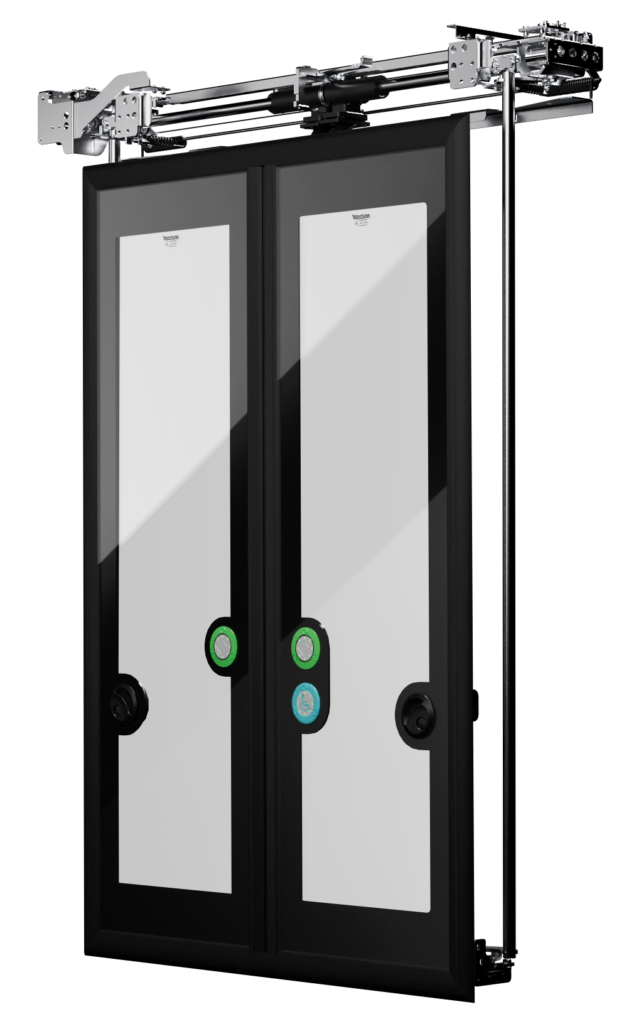
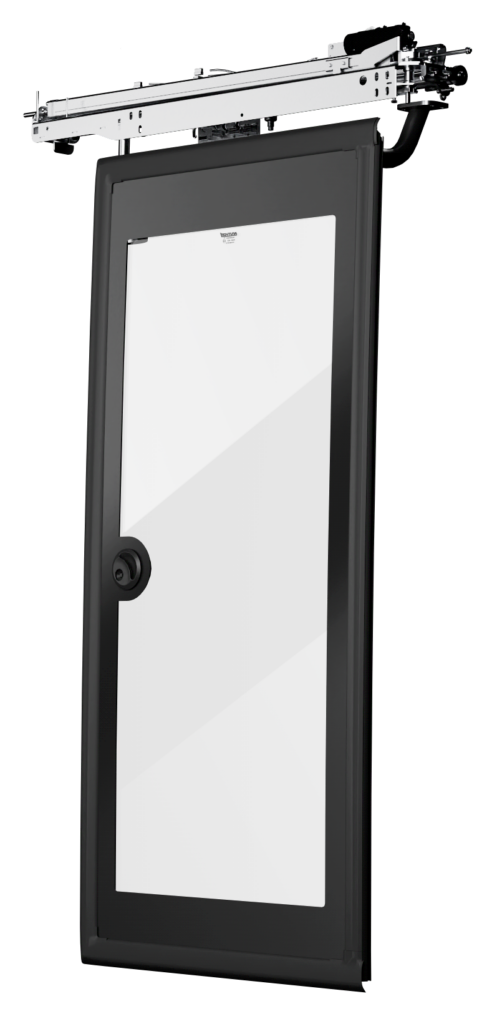
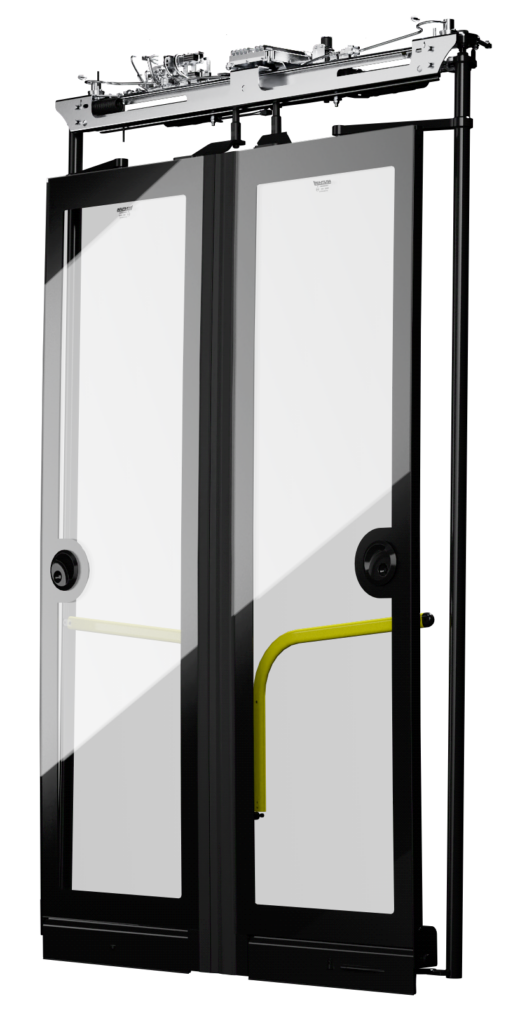
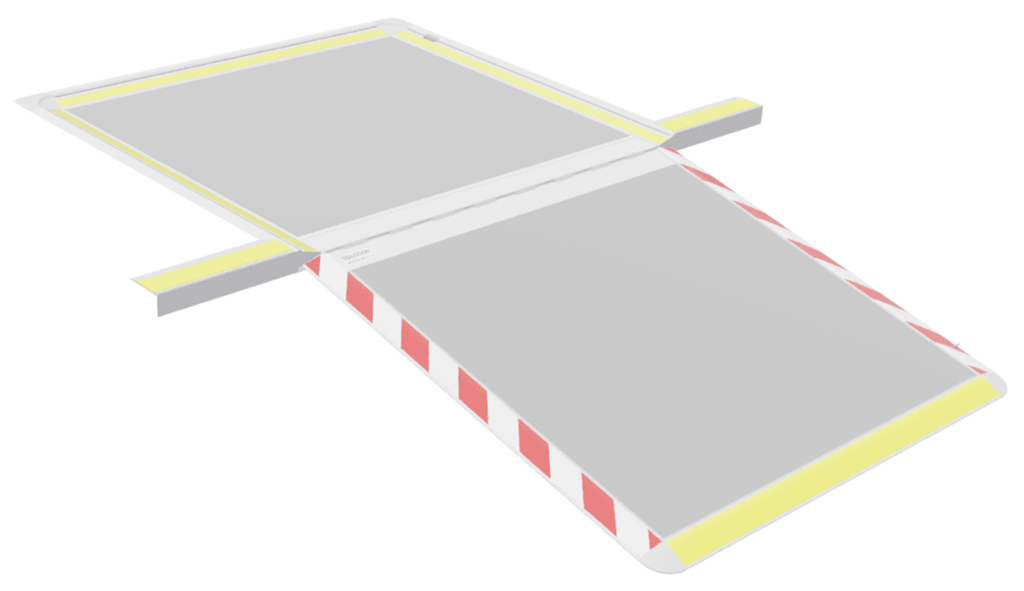
Ventura optimises speed through:
multiple door systems,
outward-moving doors,
well-placed wheelchair ramps,
passenger detection and communication systems.
All-door boarding
Allowing passengers to board and exit through all doors dramatically reduces bottlenecks. It improves passenger distribution, reduces perceived waiting time and keeps vehicles moving.
Fast boarding is not only more efficient — it also makes the service feel faster and more convenient.
why this matters
In real life, door systems must handle dense crowds, vulnerable passengers, tight schedules and unpredictable behaviour. Poorly designed doors can cause pinch injuries, dragging incidents, false signals or blocked exits.
Speed plays a key role in supporting efficient passenger flow and is carefully considered throughout every stage of designing, engineering, and developing Ventura door systems and innovations.